


The full guide
What does an MVP development company actually do?
An MVP development company turns a validated idea into the smallest working product that real users can pay for or use, then helps you learn from it. We do the scoping, design, engineering, testing and launch, so you don't hire a team before you know the idea works.
Our work on an MVP covers:
- Scope cutting. We separate what the first release must do from what can wait, so you launch on a schedule instead of building for a year.
- Prototype first. You click through the product before engineering starts.
- Production-grade build. Next.js and React, a real database, auth, payments and an admin panel. Not a throwaway demo you rebuild later.
- Launch and learning. Deploy, monitoring and a plan for the first round of changes.
For the wider picture of what we build on the web, see web development. For the numbers behind budgeting, read our MVP development cost guide.
How long does it take to build an MVP?
Most MVPs take 6-12 weeks from signed scope to launch. The range depends on how many core flows the product has, how many third-party integrations it needs and how quickly you can give feedback after each weekly demo.
| Phase | Typical duration | What you get |
|---|---|---|
| Discovery | 1 week | Roadmap, fixed scope, fixed quote, technical plan |
| Design | 1-2 weeks | Clickable prototype and a small design system |
| Build | 4-7 weeks | Weekly demo builds on a staging environment |
| Test and launch | 1-2 weeks | Security audit report, performance benchmarks, zero-downtime deploy |
| Total | 6-12 weeks | A live product and a post-launch plan |
A single-sided tool with three or four screens lands near the short end. A marketplace, or anything with payments plus two user roles, lands near the long end. We tell you which it is on the discovery call.
What should go into an MVP and what should be cut?
Put in the one workflow that proves your idea, and cut everything a first user can live without. A useful test: if removing a feature doesn't stop a user from getting the core value, it isn't in version one.
| Priority | Examples | Rule |
|---|---|---|
| Must have | Sign-up, the core workflow, payments if money changes hands, a basic admin panel | Launch is blocked without it |
| Should have | Email notifications, simple search, a settings page | Include if the schedule allows |
| Cut for now | Multiple languages, native mobile app, referral programs, advanced analytics, custom roles | Revisit after real usage data |
We write this down in the scope document before any code. Anything outside it gets its own fixed quote, so scope creep is visible instead of absorbed.
Should I build with no-code or a custom MVP?
Use no-code if you only need to test demand with a landing page, a form or a simple internal workflow. Go custom when the product itself is the thing users pay for, or when you will need payments, user roles, integrations or performance that page builders can't give you.
The risk with no-code is a rebuild. If the idea works, you often rewrite on real code within months, and your data has to move with it. If you already know the product needs accounts, billing or an API, a Next.js MVP costs you less over the first year because there is nothing to throw away. On the discovery call we'll say honestly if a no-code tool fits your stage better.
What MVPs has ReliaBuilds launched?
ReliaBuilds has launched 5th Row, Studious Prep and Ponnadhar, each scoped as a focused first release. All are live and linkable, and you can see more on our projects page.
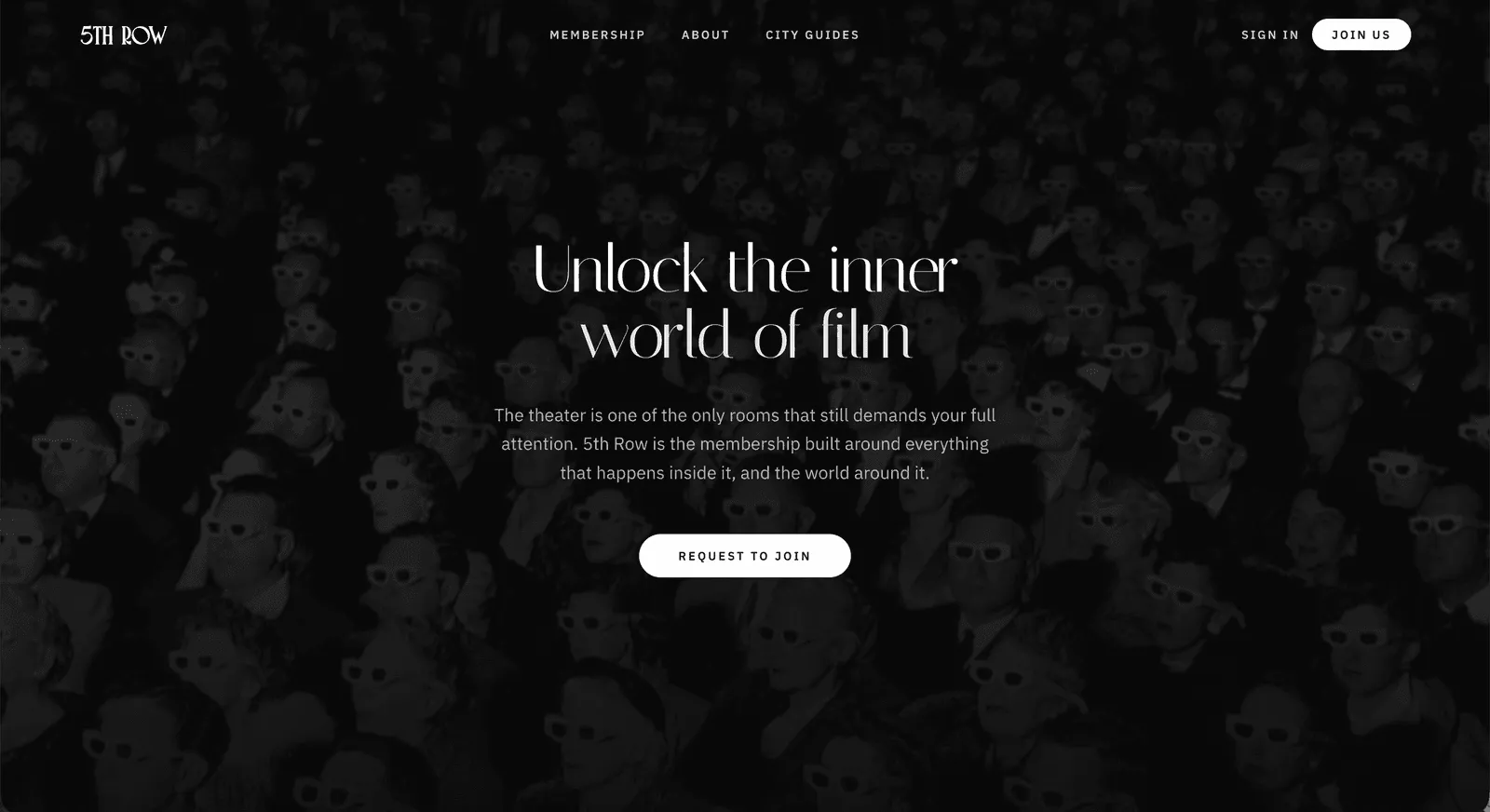
- 5th Row (2025): a members-only cinema club on Next.js, with Stripe membership tiers, booking and city guides.
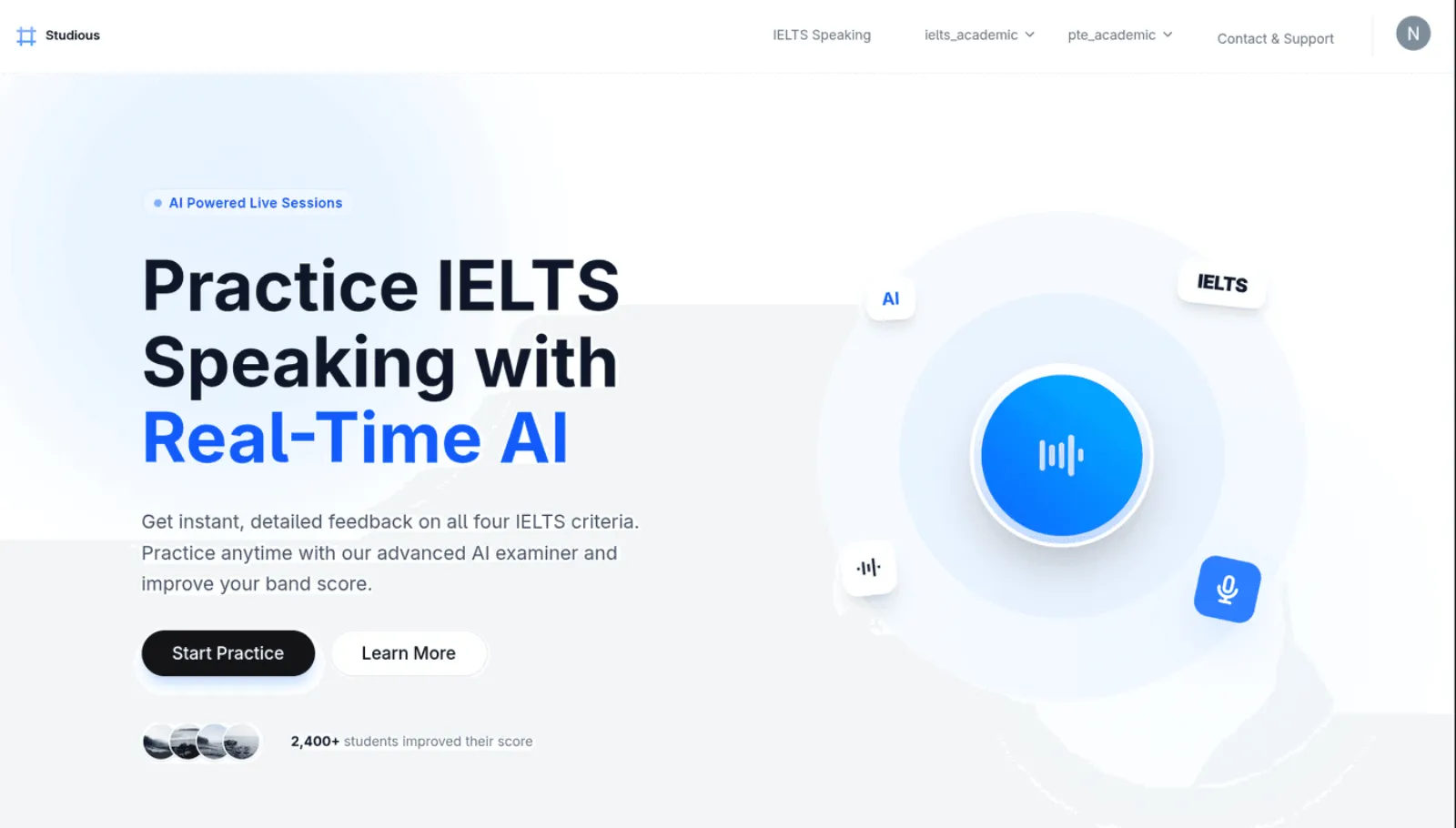
- Studious Prep (2025): AI IELTS speaking practice with realtime speech scoring and instant band feedback. It now has.
- Ponnadhar (2026): a handloom saree store with full checkout, bKash and Nagad payments, and delivery to 64 districts.
How do I find an MVP development company I can trust?
Look for four things: a fixed scope and quote in writing, a working build every week, a repository in your name, and live products you can open and click. Be wary of any vendor who can't show shipped work or who asks for a large upfront payment before a scope exists.
Ours, concretely:
- A written fixed scope and quote after discovery, before code.
- Weekly demos on a staging environment, so you see progress, not status reports.
- Code in your GitHub organization from the first commit, with IP assigned to you.
- No massive upfront fees. Start small, scale fast.
You get senior engineers working your hours. If you want a standing team after launch, see our dedicated development team. Founders at an earlier stage can start at for startups.
What happens after the MVP launches?
After launch you look at what users actually do, then decide what to build next. Most clients move to a monthly retainer sized to the hours they need, so the same engineers who built version one keep shipping version two.
- Launch support. Monitoring, bug fixes and quick follow-ups in the first weeks.
- Retainer. A fixed monthly figure for fixes, small features, dependency updates and priority replies.
- Bigger features. Each gets its own scope and fixed quote.
- Scaling the team. When the roadmap outgrows a retainer, move to a dedicated team.