
The full guide
What does a UI/UX design agency actually do?
A UI/UX design agency works out who your users are, designs the flows and screens they use, and hands over files a developer can build from. We do that for websites, web apps and mobile apps, and then we build them ourselves, so nothing is lost between the mockup and the live product.
Here is what's in scope:
- UX research. Stakeholder interviews, competitor teardown, user journeys and a prioritised feature list.
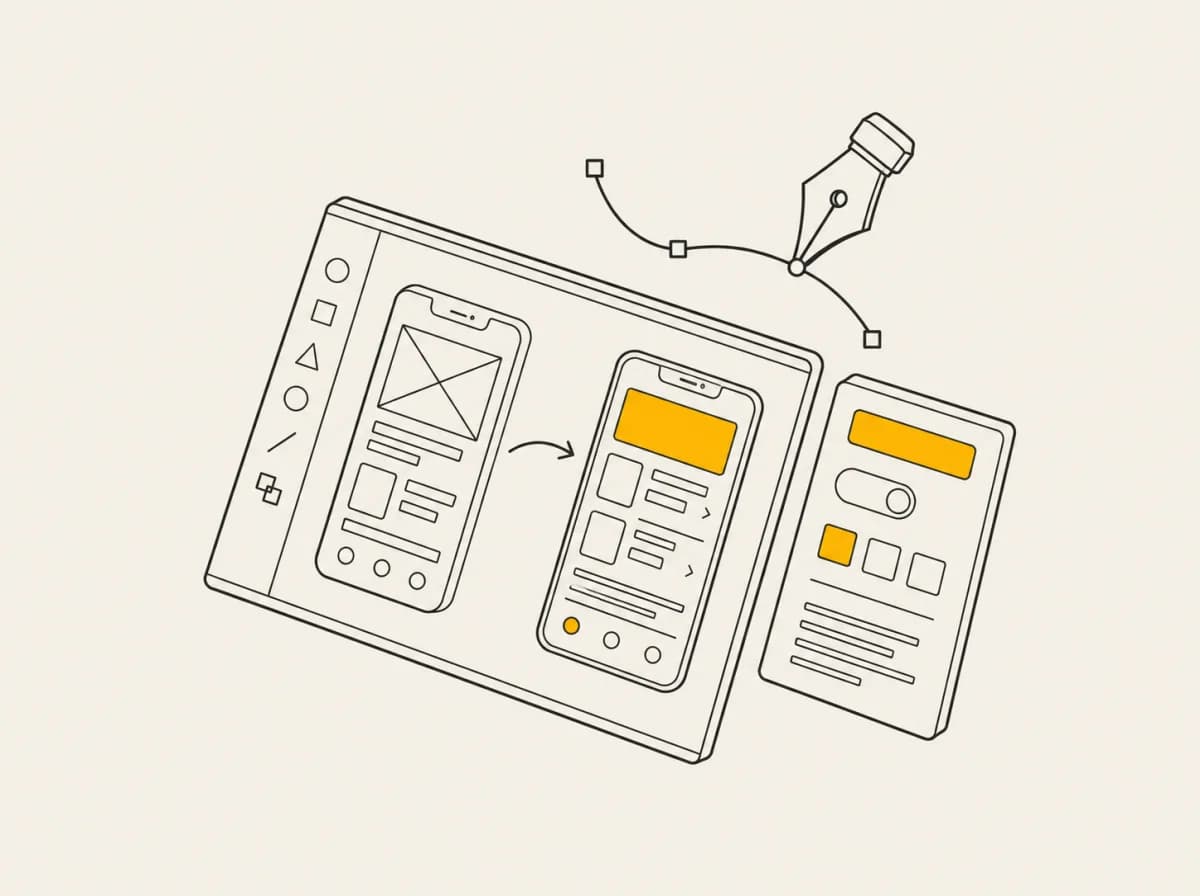
- Wireframes and clickable prototypes. Low-fidelity flows first, then Figma prototypes you can tap through on a phone.
- UI design systems. Colour, type, spacing, components and every state (hover, error, empty, loading).
- Website and app UI. Marketing sites, dashboards, marketplaces and mobile apps.
- Usability testing. Short rounds with real users before code is written.
If you only need the build, see web development or mobile app development. If you need both, read on.
How does our UI/UX design process work?
We run four design stages, then build. Each ends with something you can click, so you approve decisions while they're still cheap to change. A focused product usually spends 2-4 weeks in design before development starts, depending on screen count and how much research is needed.
- Discover. A call, a written roadmap and a fixed scope and quote. We agree who the product is for, what the first version must do and what it will not do.
- Wireframe. Low-fidelity screens that settle structure and flow. Cheap to throw away, which is the point.
- Prototype. A clickable Figma prototype of the core journeys. You and a few real users try it before we commit engineering hours.
- UI system. The visual layer: a small design system with components and states, so the product stays consistent as it grows.
- Build. Engineers implement the system in Next.js and React, or React Native for mobile, with weekly demos on staging.
Why does design-to-code matter more than the mockup?
Because a polished mockup that gets rebuilt by someone who never saw the reasoning behind it loses spacing, states and interactions on the way. Design-only agencies hand off and leave. We don't, so the same people who drew the component also make sure it ships.
| Design-only agency | Freelance designer + separate dev shop | ReliaBuilds | |
|---|---|---|---|
| Who builds it | Someone else | Someone else | Same team |
| Missing states (error, empty, loading) | Common, found during build | Common | Designed up front, built from the system |
| Design changes during build | New change request | Back-and-forth between two vendors | Handled in the weekly demo |
| Components in code match Figma | Often drifts | Often drifts | Built from the same design system |
| Who owns the outcome | Nobody end to end | Nobody end to end | One accountable team |
Common handoff gaps, according to Opensense Labs, include missing hover, error and loading states and unclear mobile behaviour, which developers end up guessing. Designing every state in the system, then building from it, removes the guessing.
What products has ReliaBuilds designed?
ReliaBuilds has designed and built Fox Care, Studious Prep and 5th Row, and you can see more on our projects page. Each was designed and built by us.
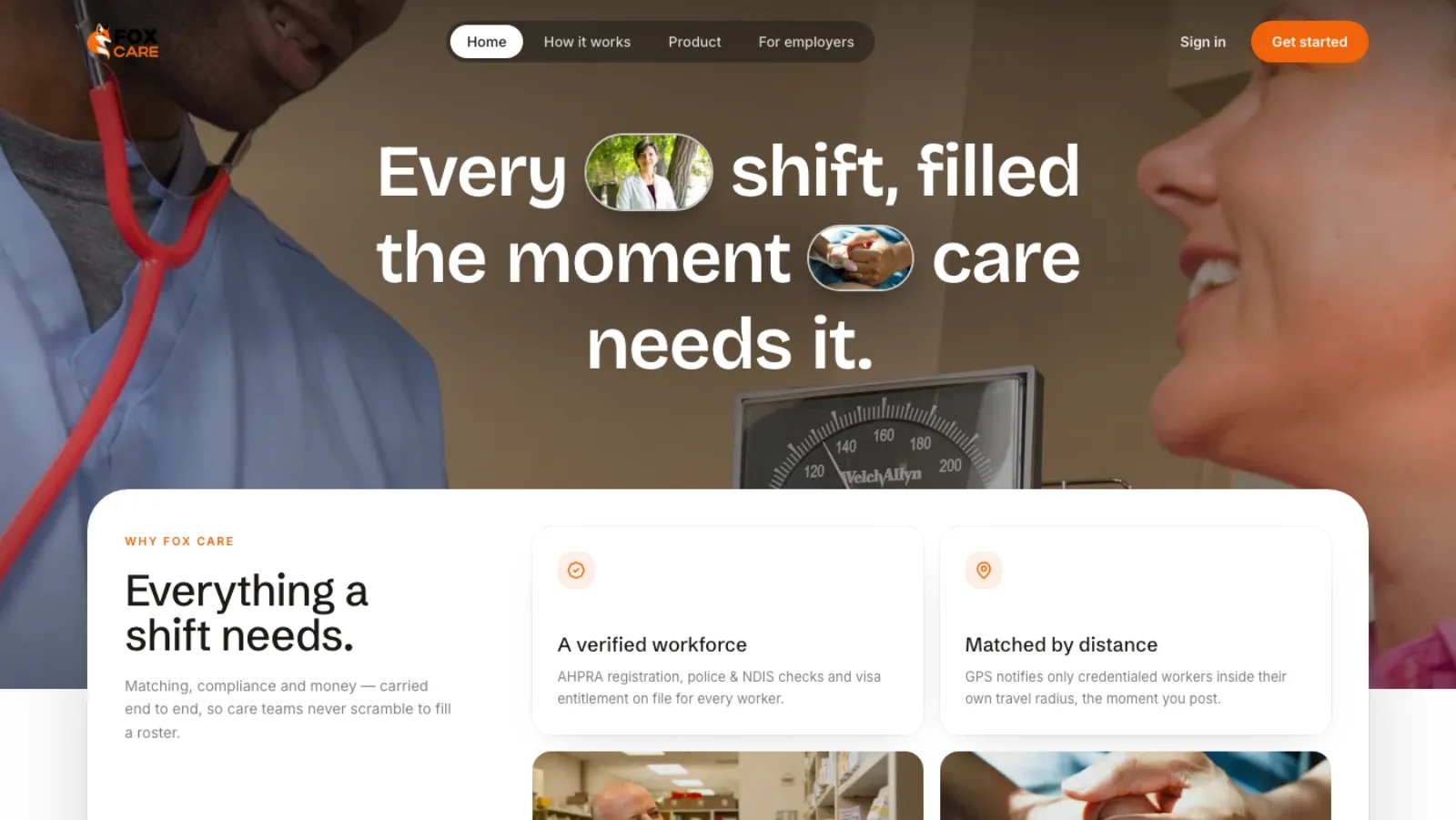
Fox Care (2026) is a healthcare shift marketplace with two very different users, workers and facilities. The design problem was trust and speed: verified profiles, distance matching and clear pay up front.
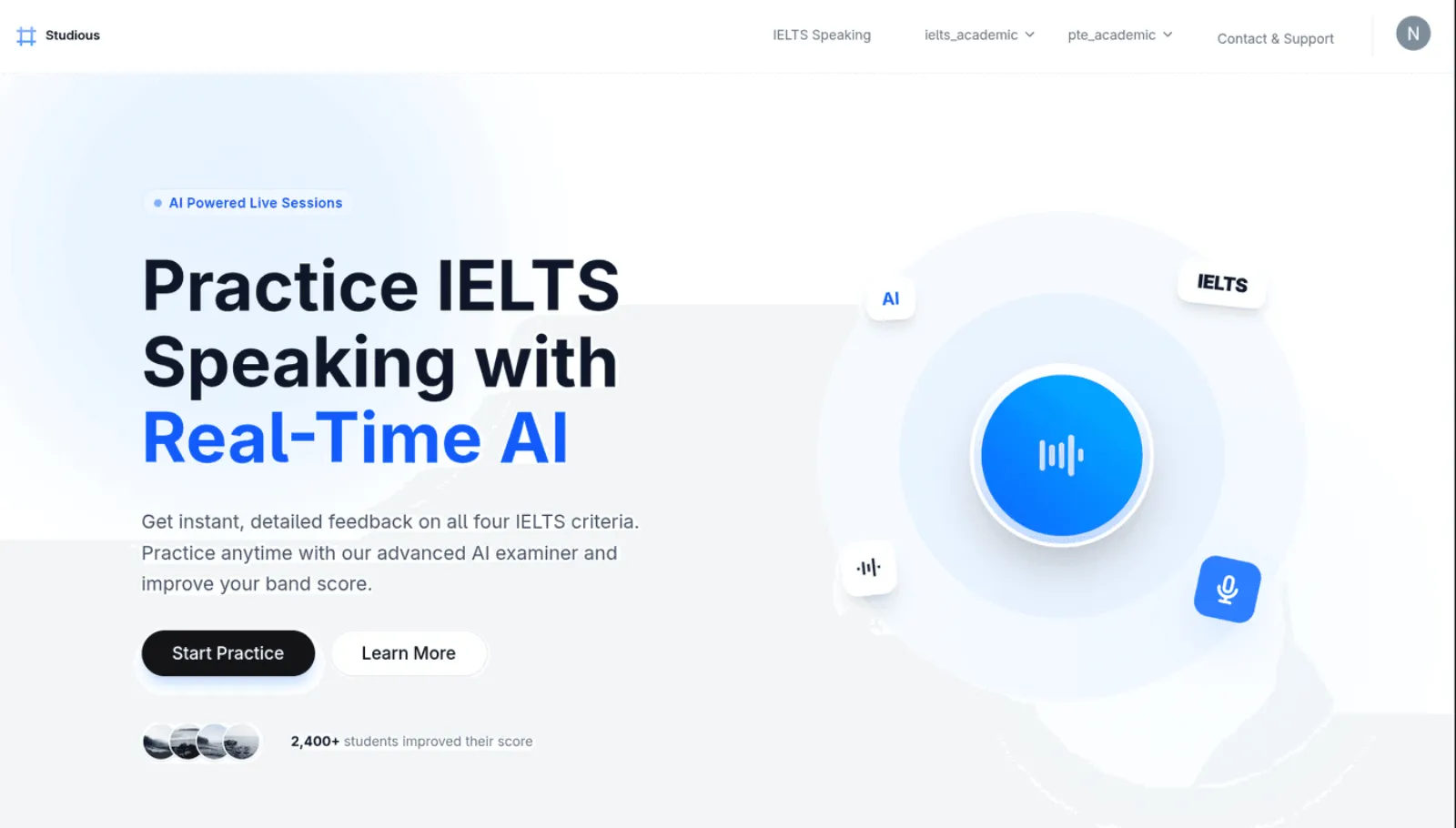
Studious Prep (2025) scores IELTS speaking practice with realtime AI. The interface has to stay out of the way while someone is mid-sentence, then present band feedback clearly afterwards. It now serves.
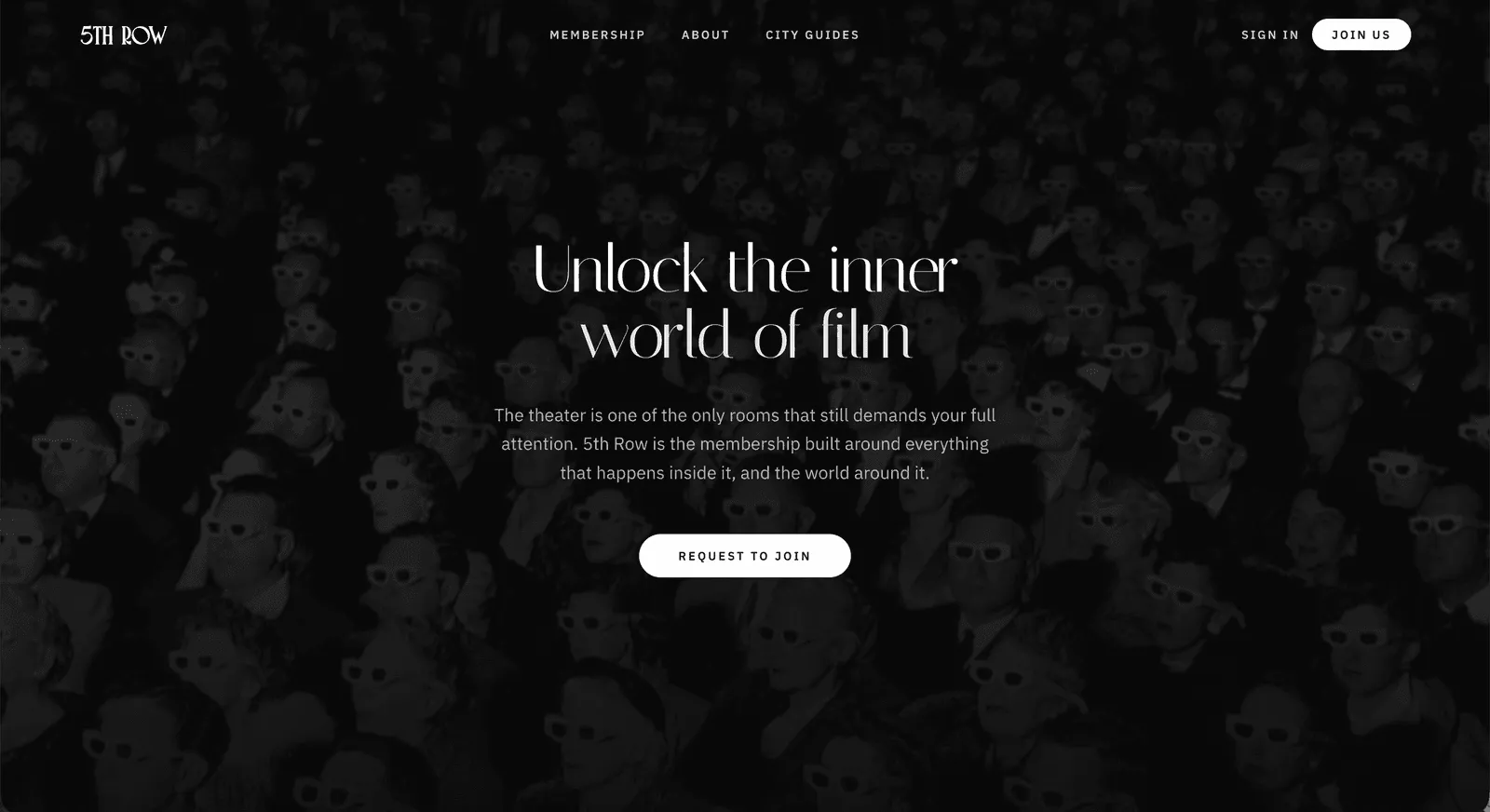
5th Row (2025) is a members-only cinema club on Next.js with Stripe membership tiers, booking and city guides. Here the design carried the brand: a site that feels like a club, not a ticket shop.
What do you get at the end?
Concrete files and a working product, not a slide deck. Deliverables depend on scope, and every engagement is a fixed scope and fixed quote agreed after discovery.
| Deliverable | What it is | Why it matters |
|---|---|---|
| User journeys and flow maps | The paths users take through the product | Stops you building screens nobody needs |
| Wireframes | Low-fidelity layout of every core screen | Settles structure before visuals |
| Clickable Figma prototype | Tappable version of the core flows | Test with users and investors before coding |
| UI design system | Colours, type, components, states, spacing | Consistency and faster later features |
| Responsive web and app screens | Desktop, tablet and mobile layouts | One system across every device |
| Production build | Next.js, React or React Native code in your repo | The design ships, and you own the code |
Design usually runs inside a larger build. For a startup MVP, see how we fit design into the MVP timeline.